Posts

Safe & Smart: Fluid Flexitank's Solution for Vegetable Oil Transport

Image
  Transporting vegetable oil in bulk can be tricky. Whether it’s sunflower oil, palm oil, soybean oil, or any other edible oil, the biggest challenge is to maintain quality, avoid contamination, and reduce shipping costs. At Rishi FIBC, we understand these concerns deeply. That’s why our flexitank solutions are designed to make vegetable oil transport easy, clean, and cost-effective. We’ve helped global food exporters, oil processors, and distributors move their liquid cargo safely across borders. Let’s break down how it works and why it’s a trusted choice today. Why Is Vegetable Oil Transport a Sensitive Process? Vegetable oils are food-grade liquids, which means they must be transported in clean, hygienic, and sealed environments. If the container isn’t clean enough or if oxygen enters the shipment, it can affect the taste, colour, and safety of the oil. That’s why traditional transport methods like drums and IBCs often fall short—they increase handling, risk of contamination, an...

Safe & Efficient Bulk Shipping Food-Grade Liquid Transportation

Image
  Flexitanks are transforming the way food-grade liquids are transported internationally. This article examines the challenges of cross-border liquid logistics and how flexitanks provide a safe and cost-effective solution. It highlights the benefits—such as increased capacity, lower contamination risk, and cost savings—and offers guidance on choosing a reliable flexitank partner for global shipments of edible liquids. By adopting flexitank technology, businesses in the food and beverage sector can ensure their bulk liquids reach global markets intact, meeting all quality and regulatory standards. Read to know more: Food-grade liquid transportation

Environmental Benefits of Liquid Bulk Transport

Image
  Bulk shipping is a game-changer for eco-conscious businesses. This article outlined how liquid bulk transport and bulk packaging (like FIBC Jumbo Bags and flexitanks) offer significant environmental benefits over small packaging units. By reducing waste, lowering carbon emissions, and improving efficiency in industries from food to agriculture, bulk shipping proves that sustainability and smart logistics go hand in hand. Companies adopting these bulk solutions can minimize their environmental footprint while also cutting costs – a win-win for businesses and the planet. Read to know more: Bulk Liquid Transport

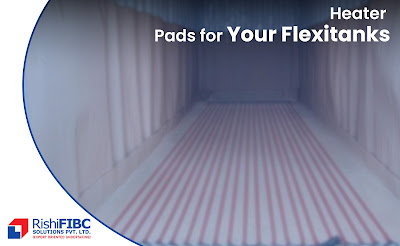
Maximize Liquid Flow and Safety with Heater Pads for Flexitanks

Image
  In the world of bulk liquid transportation, ensuring efficient unloading of viscous or temperature-sensitive liquids is a common challenge. Products like palm oil, tallow, glycerin, and other industrial or food-grade liquids tend to thicken or even solidify during transit, especially in colder climates. This is where heater pads for flexitanks become an essential solution. These smart additions are designed to maintain or restore the ideal viscosity of liquids, ensuring smooth discharge at the destination. What Are Heater Pads for Flexitanks? Heater pads are flat, heat-conducting sheets placed beneath a flexitank inside a standard shipping container. They are typically made of food-grade, heat-resistant materials and are connected to a steam or hot water source. Once the liquid arrives at its destination, the heater pad is activated to gently warm the contents of the flexitank from the bottom up. This process makes unloading thickened or semi-solid products easier, faster, and s...

Bulk Liquid Fertilizer Transport Made Easy and Green with Flexitanks

Image
  Liquid fertilizers are vital for agriculture, but transporting them in bulk poses significant challenges in terms of cost, safety, and sustainability. Flexitanks provide an efficient solution by turning standard 20-foot containers into high-capacity liquid carriers. This blog examines how flexitanks facilitate cost-effective bulk liquid fertilizer transport, offering up to 30% freight savings, eco-friendliness through reduced packaging waste and fewer shipments, and safety through reduced contamination and spill risks. It also highlights Fluid Flexitanks – a trusted Indian flexitank manufacturer – as a partner for agile agri-logistics. Read more: Fluid Flexitank for Liquid Fertilizer

Safe Transporting Bulk Lubricating Oil | Fluid Flexitank

Image
  Safely Transporting Lube Oils Using Fluid Flexitank. Securely and efficiently ship lubricating oils in bulk using flexitank technology. Know more about lube oil and its common uses, the challenges involved in transporting these oils (such as avoiding contamination, managing temperature, preventing leaks, and handling heavy liquid cargo), and how flexitanks offer an ideal solution. Flexitanks are highlighted for their benefits in bulk liquid transport, including greater capacity, cost savings, and reduced contamination risk. The blog also spotlights Fluid Flexitanks, a leading Indian flexitank manufacturer, as a trusted provider of bulk liquid transportation solutions. By leveraging Fluid Flexitanks, you can ensure your valuable oils arrive safely, is maintain quality, and save on logistics costs. Read more: Bulk Liquid Transport

The Future of Bulk Chemical Transport: Embracing Flexitanks for Efficiency and Safety

Image
  In the ever-evolving landscape of industrial logistics, the transportation of bulk chemicals presents a unique set of challenges. From maintaining the integrity of the chemicals to ensuring safety and compliance with environmental regulations, the stakes are high. However, the advent of flexitanks has revolutionized the way businesses handle bulk chemical transport, offering a safer, more cost-effective, and efficient solution. Flexitanks are large, flexible bags designed to convert standard shipping containers into safe, voluminous liquid containers. They are particularly suited for the transportation of non-hazardous chemicals. Here’s why flexitanks are becoming the preferred choice for bulk chemical transport: 1. Enhanced Safety Safety is paramount in the chemical industry. Flexitanks are engineered to reduce the risk of leaks and spills significantly. Made from high-quality, multi-layer polyethylene and polypropylene, flexitanks provide a tough, durable barrier that can with...